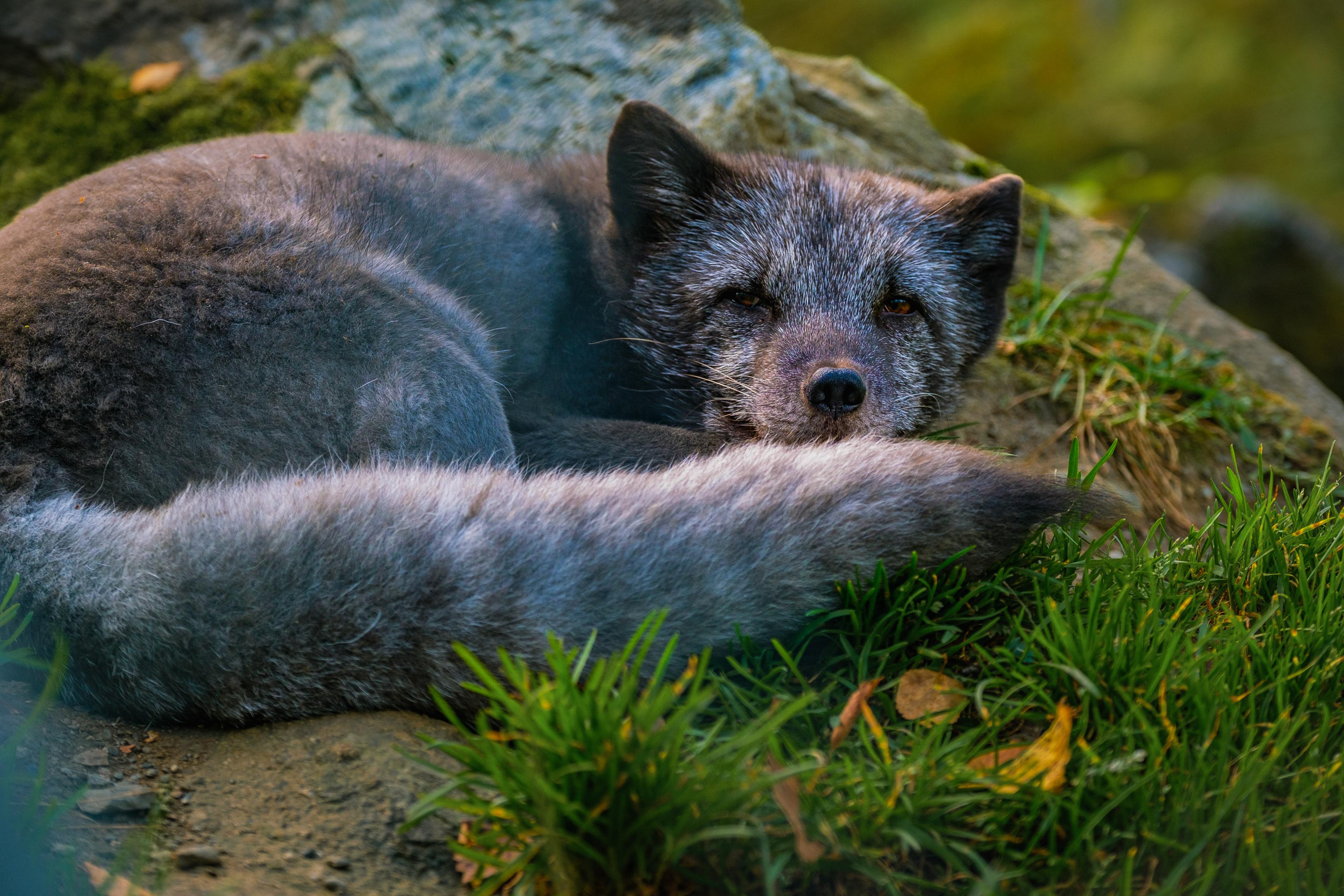
Arctic Fox
The Arctic fox is a small fox perfectly adapted to life in cold climates, best known for its thick, insulating coat and remarkable ability to survive in the Arctic.
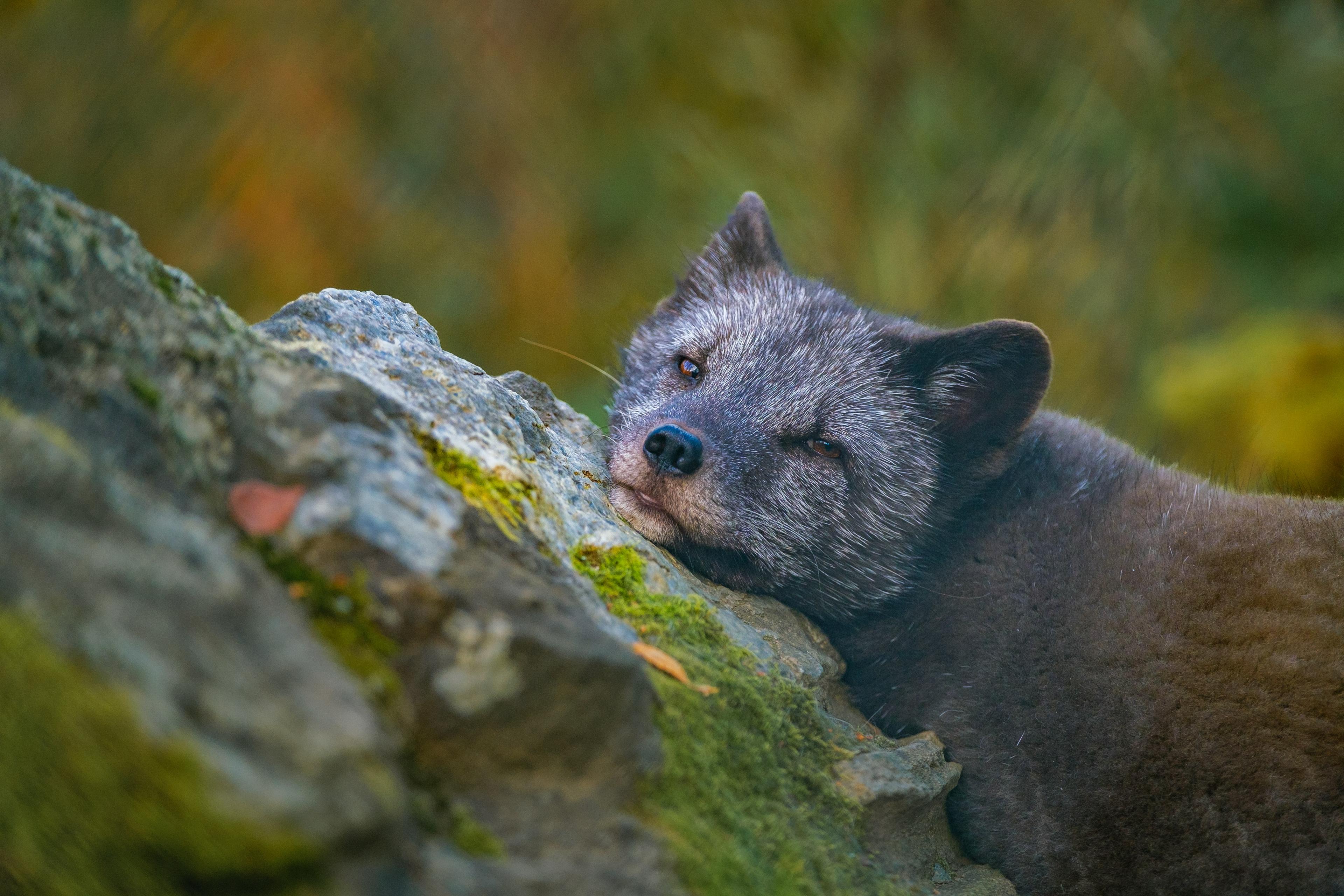
- Scientific name: Vulpes lagopus
- Conservation status: Critically Endangered (CR) in Norway
- Length: 50 to 75 cm, with a tail measuring 30 to 40 cm
- Weight: 2.5 to 5 kg
- Distribution: Arctic and alpine regions across the Northern Hemisphere
- Biology: Reaches sexual maturity at around one year of age. Gestation lasts 50 to 55 days, with litters of 4 to 12 pups.
- Lifespan: 3 to 6 years in the wild, longer in captivity
- Diet: Lemmings, small rodents, birds, eggs and berries
Learn More About the Arctic Fox
The Arctic fox is exceptionally well adapted to extreme cold. Its thick fur provides outstanding insulation and changes colour with the seasons, white in winter to blend into the snow and brownish-grey in summer to match the rocky alpine landscape.
An agile hunter, the Arctic fox relies on its excellent hearing, keen sense of smell and quick movements to locate small rodents beneath the snow. In years when lemmings are abundant, Arctic foxes breed successfully and produce larger litters. When prey is scarce, however, breeding success and population numbers decline significantly.