Food: Nature, Culture and Local Producers
The distinctive natural surroundings, clean water, fresh climate and strong local food traditions provide ideal conditions for fresh, high-quality ingredients. We prioritise local and seasonal produce and actively support local producers and communities through long-term partnerships, local sourcing and close dialogue with suppliers.
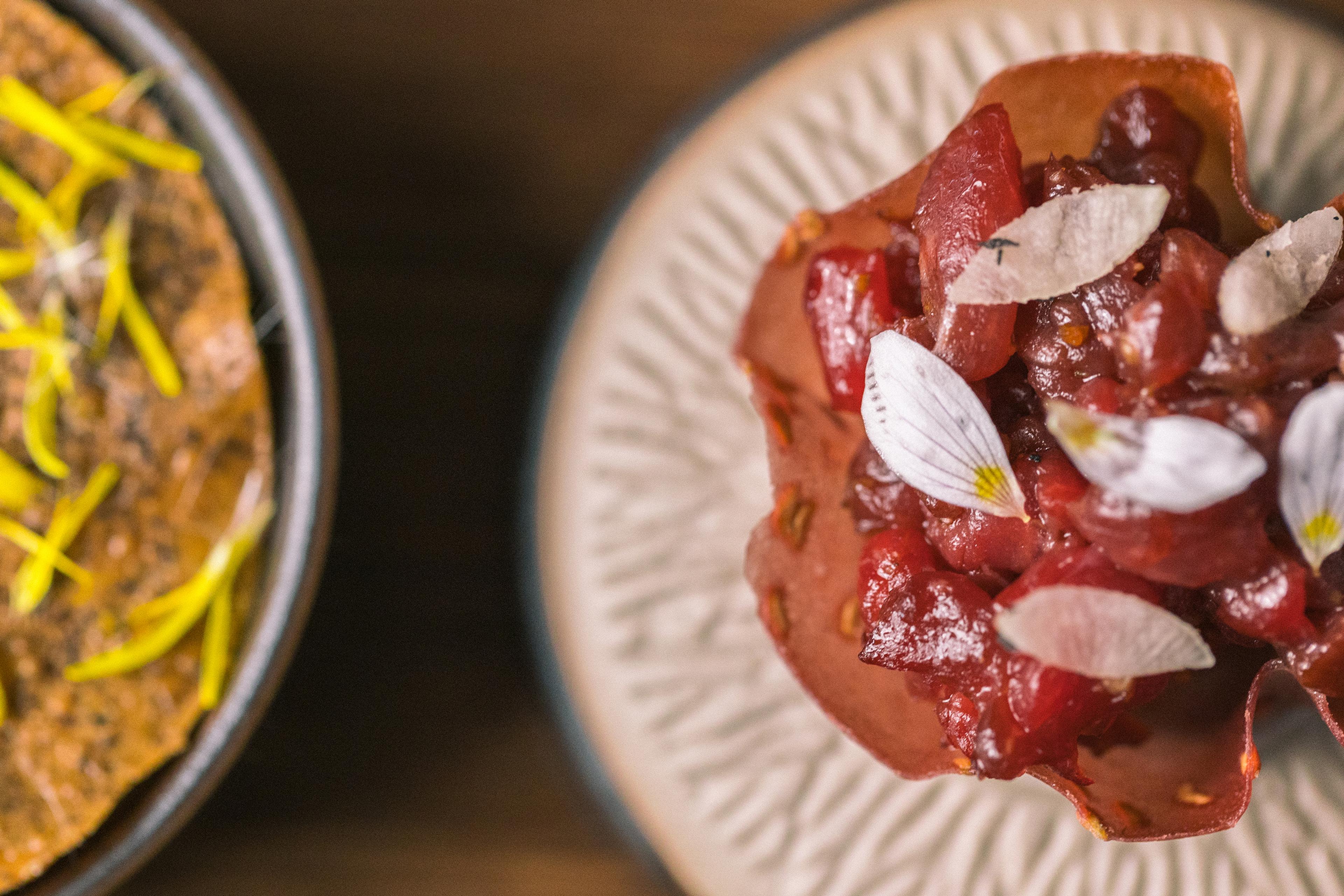
Short distances from producer to kitchen allow us to use ingredients at their best, while supporting the local economy and preserving local food traditions. We stay curious and continually explore new ways to improve our approach to food, including reducing food waste.
To reduce surplus and make better use of ingredients, we focus on careful planning, adjusting our purchasing, using ingredients creatively and finding new ways to serve surplus food. Through these choices, we aim to create meals that taste good while also helping to care for nature, culture and the communities we are part of.
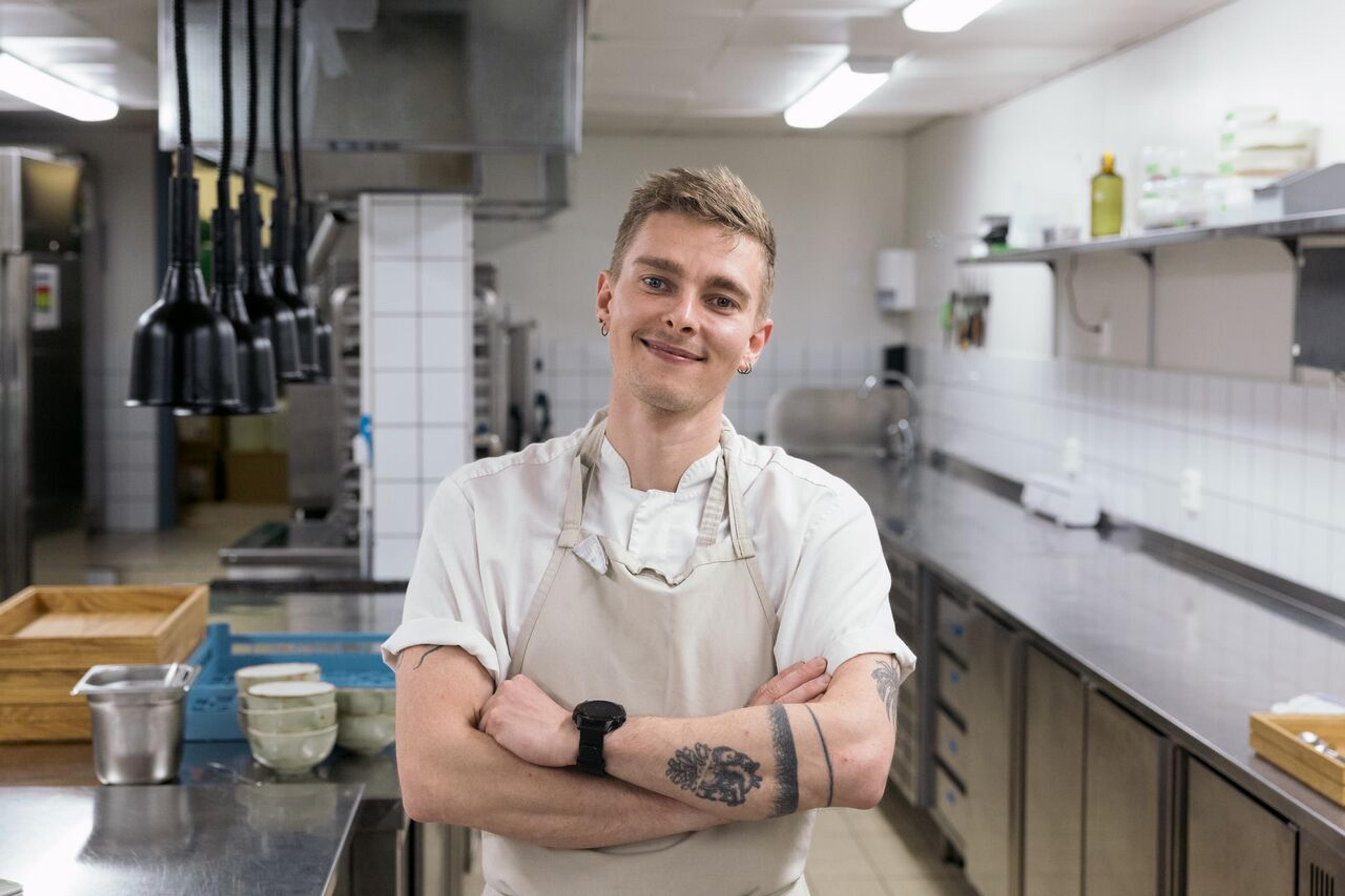
It is about being aware of what we have around us. We want to use local ingredients and let the seasons and nature help shape what goes on the plate.
(Mantas Vaidelis, Head Chef for Accommodation and Dining in Aurland)
Our Food Philosophy
Food is an important part of the experience we create for our guests. Our food philosophy therefore provides a shared direction for how we approach food and drink across Norway’s best.
We operate in several destinations, each with its own ingredients, producers, traditions and opportunities. We see this as a strength. We aim to explore what is available locally and make the most of what each place offers, both in the food we serve and the stories we tell.
Norwegian, local and seasonal are key principles in our food philosophy. We aim to use high-quality ingredients sourced as close to our kitchens as possible and work with local producers who share our values. In this way, a good meal can give guests a taste of the place they are visiting while also supporting the local economy.
The seasons help shape what we serve, and we can give traditional ingredients and cooking methods a new lease of life. Through how we source and use ingredients, we also aim to help preserve local food culture, cultural landscapes and biodiversity.
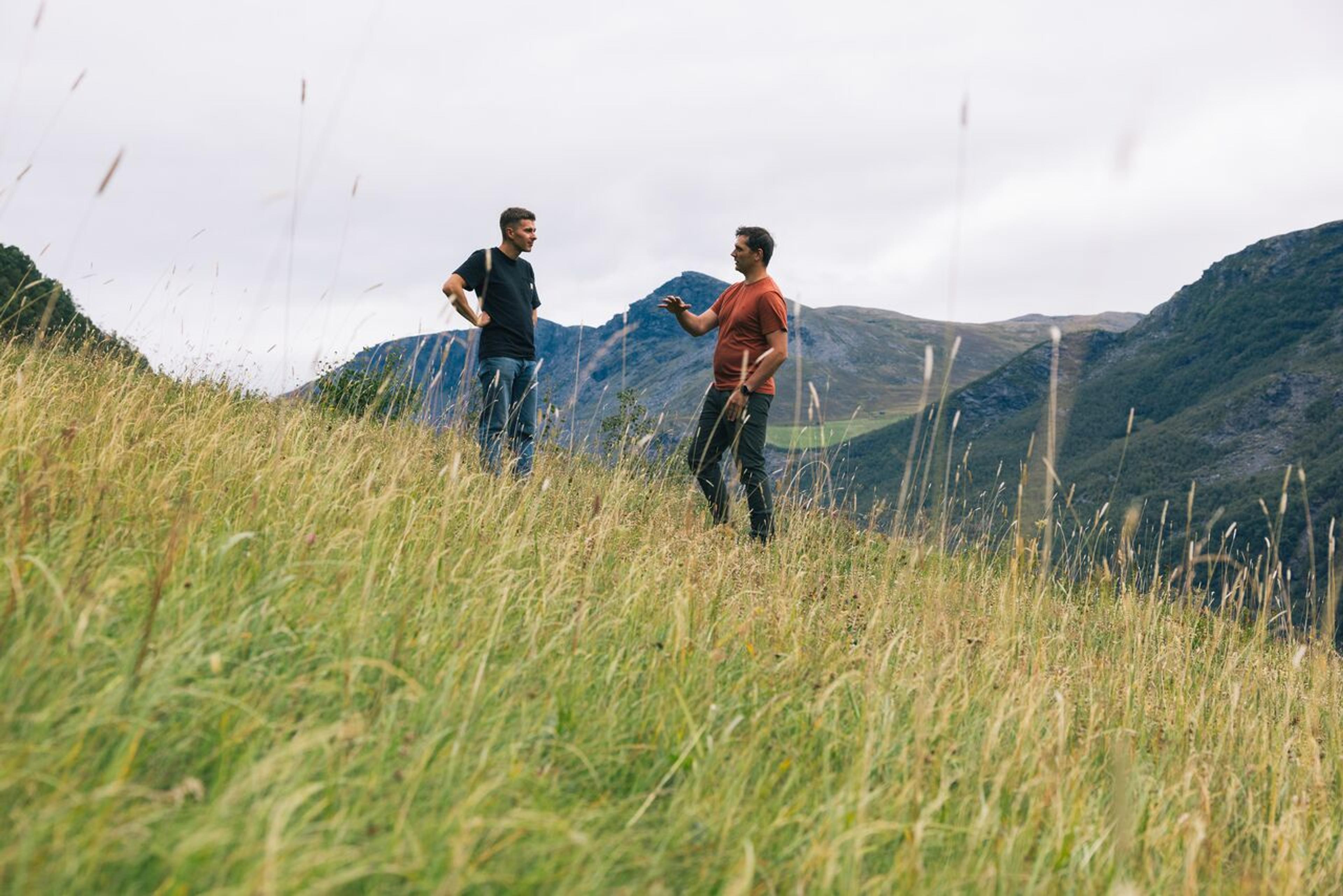
From Local Ingredients to Local Economic Benefits
We place a strong emphasis on local and seasonal ingredients and work closely with producers and suppliers in Flåm and Aurland. Through these partnerships, we aim to make better use of resources, reduce food waste and support the local economy.
In 2025, we purchased NOK 4.78 million worth of goods directly from local suppliers in Aurland. This accounted for 21.5% of total purchases by our hotels and restaurants. Local sourcing requires flexibility and careful planning. Through close dialogue, we can also help create more stable demand and keep local food traditions alive.
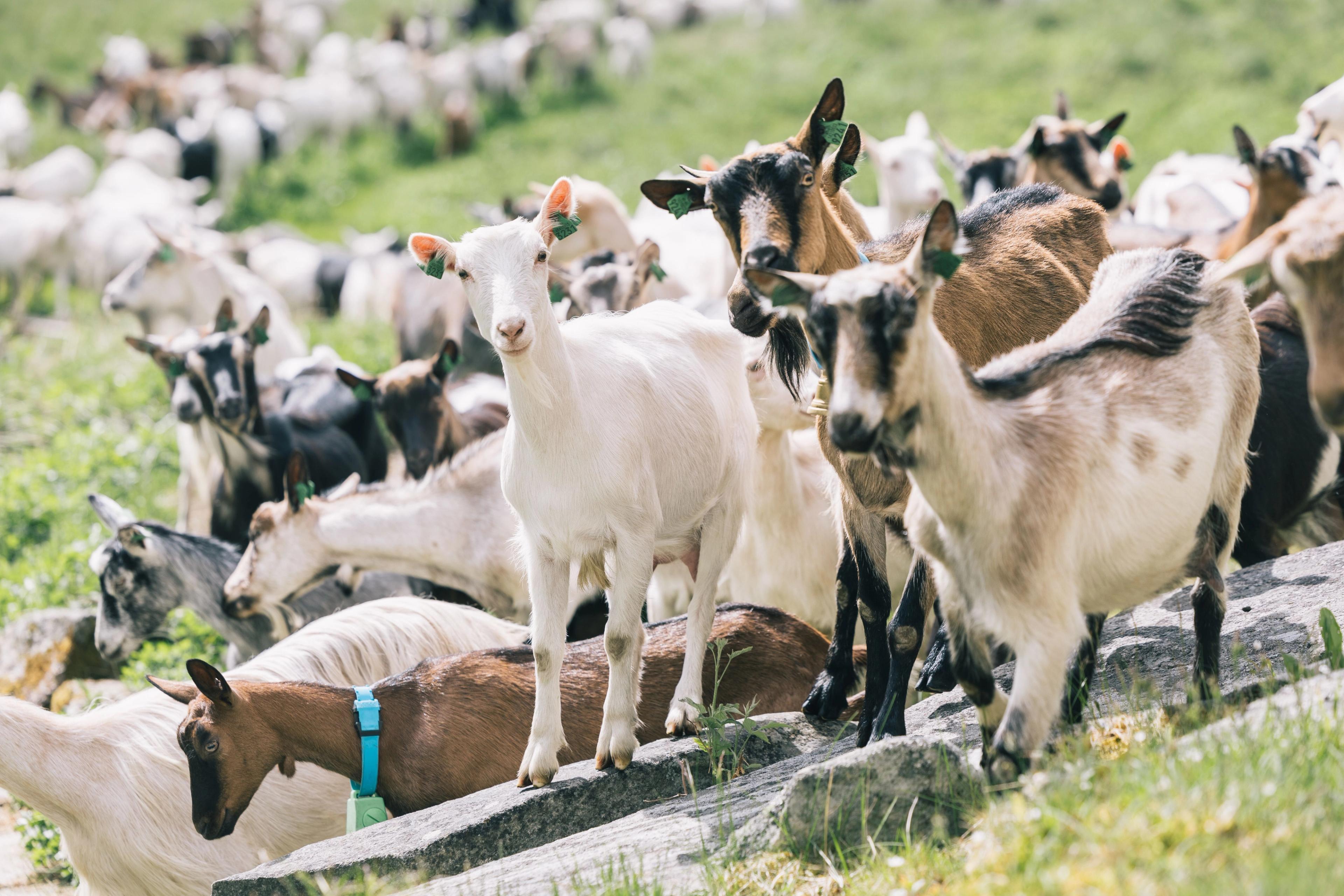
From By-Product to Delicacy
Goat meat is a good example. Each year, we buy around 1.3 tonnes directly from local cheese producers. The meat comes from male goat kids, which have traditionally been a by-product of local goat’s cheese production.
By creating demand for this ingredient, we help strengthen the local supply chain and give producers an additional source of income. In return, we gain access to a distinctive ingredient with deep roots in local food culture and history.
We also explore new dishes and uses to make the most of the meat. This helps us reduce food waste and get more value from the resources we use.
From larger purchases of goat meat to smaller deliveries of fresh herbs, we continually look for opportunities to use more local ingredients.
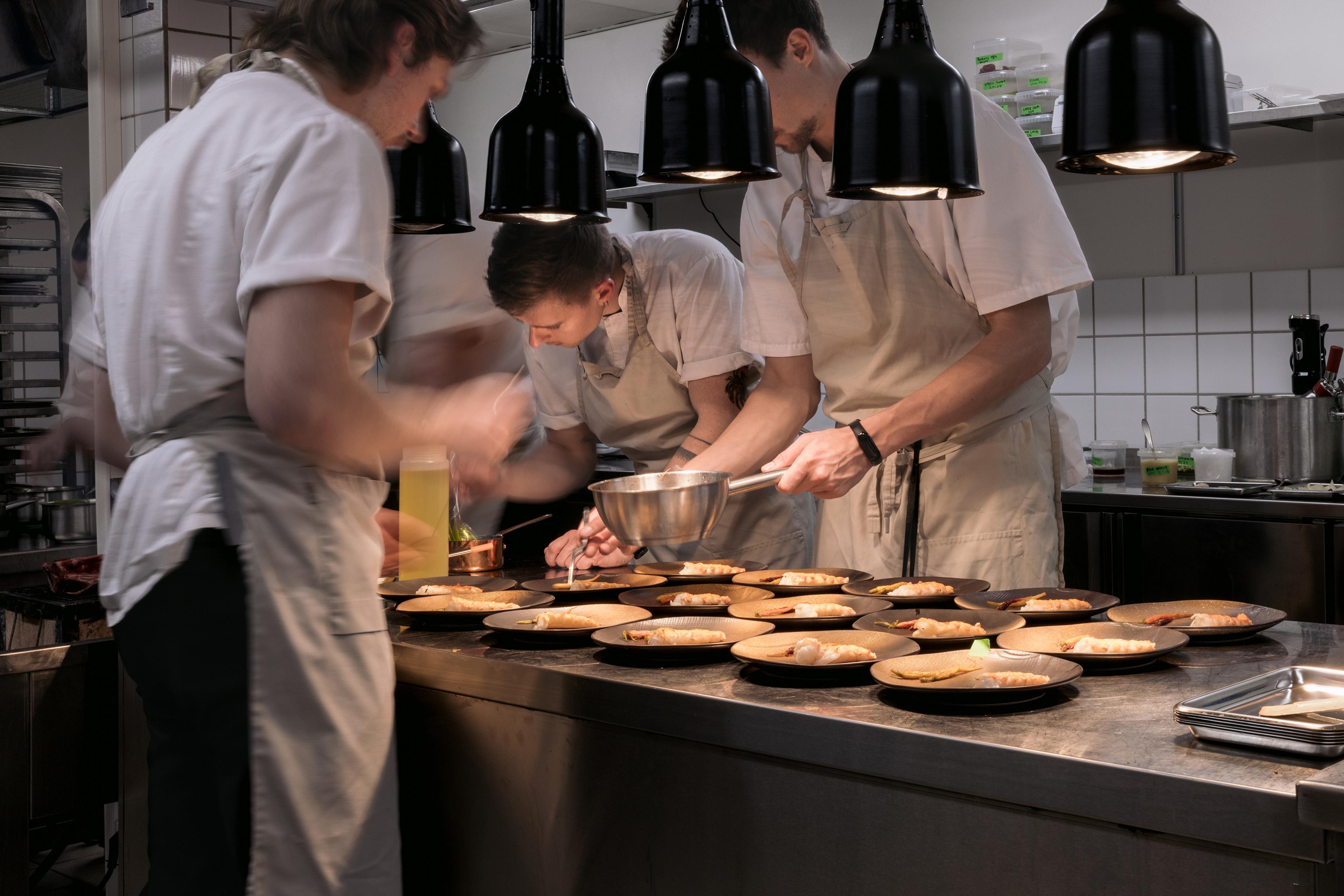
Reducing Food Waste
Reducing food waste is a key priority at Norway’s best. We aim to make the best possible use of our ingredients and reduce the amount of food that goes to waste across our business.
To do this, we first need to understand where food waste occurs and what we can improve. We are therefore working to measure and record food waste systematically, giving us a stronger basis for setting targets and prioritising actions where they can have the greatest effect.
Our work includes better planning and purchasing, appropriate portion sizes, making full use of ingredients and finding creative ways to use surplus food. We are also exploring how to make it easier for guests to make informed choices, for example through information and the way we arrange our buffets.
For us, tackling food waste goes beyond throwing less away. It is about making better use of resources, getting more value from the ingredients we buy and taking a more responsible approach to our food operations.